


What do you want to eat in the first week after you leave? Mother Confinement's gentle meal and care.
Updated: Aug 7
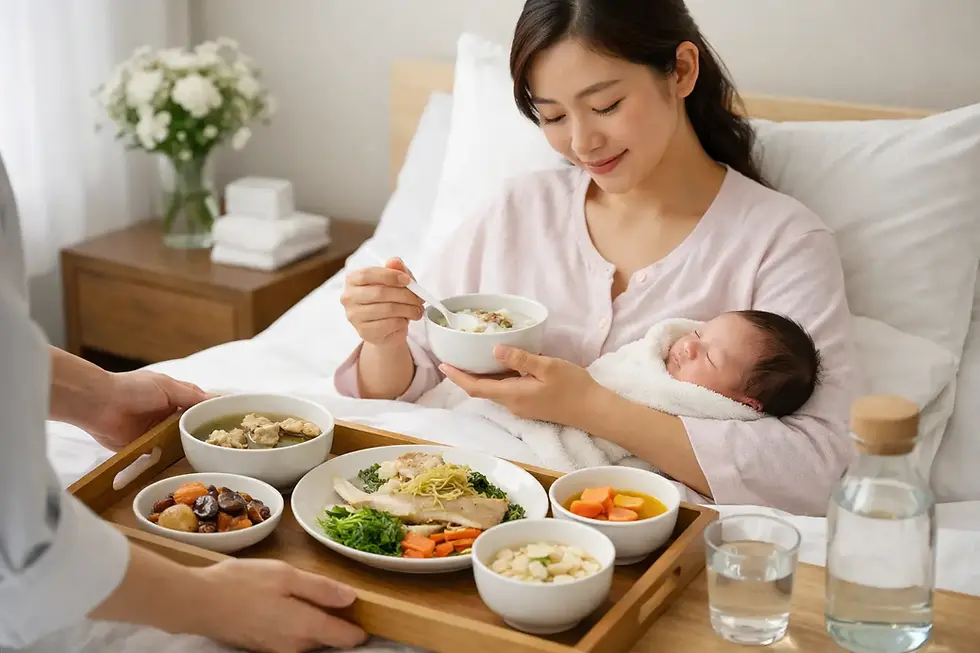
Just finished giving birth, the most common phrase that Tsukizo's mother hears is "Hurry up and replenish yourself." "But the real answer is that what you eat in the first week after delivery is not too dry, too delicate, and can restore your body's strength. The first seven days after childbirth are not the time to eat all the supplements into the stomach at once, but to let the stomach slowly wake up, help the malignant dew out, and stabilize the physical strength and lactation rhythm with enough protein, iron, moisture and heat.
After childbirth, the body is still adapting to hormonal changes, uterine contractions, wound discomfort, and lack of sleep. Even a normal birth can make it harder to eat the little thing: a clitoral wound, hemorrhoids, constipation, flatulence, or sore breasts. The meal of the first week is not intense, it is gentle, fresh, easy to absorb, so that each meal becomes a part of rest and recovery.
What do you eat in the first week after delivery? Remember “warm, soft, fresh, feet” first
"Warm" is not to put a lot of ginger wine in every dish, but to avoid cold, raw and cold food, so that the stomach is less irritated. "Soft" refers to the days when rice is cooked softer and the soup is not dry, especially suitable for days when the appetite has not fully recovered after production. "Fresh" means fresh ingredients, light cooking, reduced frying, heavy salty and processed foods; "enough" means that there is enough protein and staple food for each meal, don't just eat soup and no meat, and don't cut down in order to hurry to lose weight.
Think of the first week's plate as simple: a warm staple with a high-quality protein that is easy to chew, along with cooked vegetables and a moderate amount of soup. For example, lean meat, chicken, fish, eggs, and tofu can be arranged in turn; white rice, millet porridge, noodles, potatoes, or sweet potatoes can replenish energy; and hearts, spinach, carrots, melon, and broccoli are easier to eat after cooking. Iron-containing ingredients such as lean beef, dark green vegetables, egg yolks, and beans can also be added gradually if more blood is lost after childbirth.
Days 1-2: Rest your stomach and slowly replenish your strength
In the first day or two after childbirth, some mothers still have a sense of flatulence in their stomachs, and some people are afraid to forcefully defecate because of the painful wounds. At this time, you can start with porridge, soft rice, steamed eggs, fish fillets, meat chopped, chicken stewed soft, and match
Soups are available in sweet and non-greasy styles, such as lean meats with carrots, melons, or soups from Huai Shan. Traditionally, people attach importance to the warmth of ginger, but the first two days do not need to pursue thick ginger flavor or a lot of wine to boil food, especially when the mouth is dry, constipated, acid reflux or the wound feels hot, it should be adjusted according to the body's response.
If mom is Breastfeeding, it is more practical to drink water and eat normally than to rush to thick soup. The amount of milk is affected by frequent and effective feeding, rest, physical recovery and overall intake, and there is no single soup that can replace these basic conditions.
Bad dew is not the same as eating only "rows" of food
Postpartum naughty dew will gradually change from red to brown and light color with the day, which is a common recovery process. The first week meal retains some ingredients traditionally thought to help warm up and condition, such as a small amount of ginger, red dates, tangerine peel, or ginger vinegar toppings, but the size and timing should be personalized.
If the amount of malicious exposure suddenly increases, there is a large blood clot or odor, it cannot be treated by diet alone. In this case, the midwife, family doctor or obstetrician should be contacted as soon as possible to confirm the physical condition before deciding how to adjust the diet.
Days 3-7: Protein, iron and fiber to keep up
After the third day, the appetite usually returns slowly and the meal can be more complete. Each meal includes a palm-sized portion of meat, fish, eggs, tofu, or beans to aid tissue repair and support postpartum strength. If the family only prepares a large pot of soup, the mother is easy to drink but does not eat enough nutrients, remember to eat the soup residue, meat and staple food together.
Many new mothers encounter constipation during this time. This could be due to postpartum fear of painful wounds, decreased activity, insufficient water, or overly delicate meals. In addition to warm water and soup, you can also eat cooked vegetables, oats, papaya, pears, or kiwifruit to replenish fiber from your food. If you have a painful bowel movement, are unable to defecate for several days, or have severe hemorrhoid bleeding, you should seek medical help and do not use laxatives on your own for a long time.
The way you cook is just as important. Steaming, stewing, boiling, stir-frying with less oil, more suitable for the first week than frying and thickening; meat removes obvious fertilizer paste, and soup noodles skim oil, which can reduce nausea and gastrointestinal burden. Seasoning retains the familiar aromas of ginger, sesame oil and a small amount of soy sauce, but does not need to be too salty to make thirst and edema worse.
These foods should be avoided or reduced as appropriate in the first week
The monthly diet is not a taboo table for everyone. Some people are completely comfortable eating small amounts of ginger, while others have stomach aches or dry mouth; some people have no problem drinking milk, while others have bloating. Therefore, rather than reluctantly following a single approach, it is better to observe changes in mothers' sleep, appetite, bowel movements, wound feelings, and malicious dew.
In the first week, it is generally recommended to reduce frozen drinks, raw fish, semi-cooked eggs, unpasteurized milk, and overnight food that has been stored for too long. Postpartum physical fatigue, food safety can not be sloppy. Alcohol should not be used as a "toning" method, even if there is alcohol in traditional dishes, you should be especially cautious, and if you are breastfeeding, you should first consult with medical staff about safety arrangements.
Strong supplements such as ginseng, deer antler, and concentrated herbal powder should not be taken in large quantities immediately after delivery. If you have gestational diabetes, hypertension, thyroid problems, anemia, are taking medication, or have had severe bleeding, dietetics and herbal soups should first be evaluated by a registered Chinese physician or physician according to personal constitution.
How do you arrange meals in a day so you're not in a rush?
For families who have just returned home, the most practical arrangement is not to study the ten soups every day, but to fix the rhythm. In the morning, you can eat warm porridge or soft rice with eggs and meat; lunch is mainly rice, fish or chicken, cooked dishes and soup; in the afternoon, you can add a bowl of dish, egg or fruit if you are hungry; and continues dinner with a light and sufficient dinner. If you feel hungry after feeding at night, preparing soups, noodles, or small meals that are easy to heat can be more calming than holding back.
When your family helps, it's not just about asking "what would you like to eat," it's about making sure your mom has hot food, water, and time to sit down and finish her meal. If there is a lack of elderly assistance at home, or if both parents are caring for the newborn baby at the same time, arrangements can be made in advance
These signals appear in the body, seek medical attention first instead of continuing supplementation
Dietary therapy can take care of daily recovery, but it is not a substitute for medical evaluation. Contact your healthcare provider as soon as possible if:
Suddenly increased bleeding, saturated with hygiene products for a short period of time, or drained of persistent large blood clots.
Fever, chills, malicious dew has a noticeable odor, or pain in the lower abdomen is getting stronger.
Wound redness, bleeding, severe pain, or noticeable burning when urinating.
Persistent headache, blurred vision, chest pain, difficulty breathing, or extremely low mood, thoughts of hurting yourself or your baby.
In the first week of the month, mothers do not have to measure their recovery by “eating more and replenishing more quickly.” By eating a balanced meal, drinking enough water, and having space for family members to take over household chores and care for babies, the body has the opportunity to slowly come back at its own pace. Eating comfortably and sleeping a little longer today is a real improvement.
#WhatWouldYouLikeToEatInTheFirstWeekAfterYourBirth #EatAfterDelivery. #HongKongConfinementMeal #MoonyMama #PostpartumRecovery #Breastfeeding #Markham #RichmondHill #NorthYork #Newmarket #Aurora #Newmarket #Stouffville #EastGwillimbury


Comments